Nearly 400 Portuguese beaches awarded Blue Flag status in 2026
For many foreign residents and long-stay visitors, Portugal begins at the coast. Whether you come from the UK, France, Germany, the Netherlands, Scandinavia or elsewhere in Europe, the attraction is often the same: more light, a milder climate, outdoor living and easy access to the Atlantic. That makes the quality of Portugal’s beaches more than a tourism detail — it is part of everyday life.
Portugal will once again have one of Europe’s strongest Blue Flag beach networks in 2026. According to figures reported by The Portugal News, 438 beaches, marinas and tourist boats in Portugal have received Blue Flag status this year. Of these, 396 are beaches.
The number is slightly lower than in 2025, but Portugal remains one of the most attractive countries in Europe for coastal living, beach holidays, surfing, motorhome travel and longer stays by the sea.
What does Blue Flag mean?
Blue Flag is an international environmental and quality award for beaches, marinas and sustainable boating operators.
For a beach to receive the award, it must meet criteria linked to water quality, environmental management, safety, services, information and education. In practical terms, it is a useful sign that a beach is monitored, maintained and managed according to recognised international standards.
It does not mean that the sea is always calm, warm or risk-free. On the Atlantic coast, weather, waves, currents and tides can change quickly. But Blue Flag status is still a good indicator that the beach is being properly supervised and cared for.
Why this matters to expats and long-stay visitors
For many expats in Portugal, the beach is not just a place for summer holidays. It is part of the reason for choosing Portugal in the first place.
A good beach can be a place for walking, swimming, surfing, photography, exercise, family visits, dog walks and simple everyday wellbeing. For people who divide their lives between Portugal and northern Europe, access to the coast is often one of the biggest lifestyle advantages.
This is especially true on the Silver Coast, where the Atlantic is part of daily life.
The Silver Coast: more than a summer destination
The Silver Coast has become increasingly attractive to foreign residents and second-home owners who want a more authentic and less overheated alternative to the Algarve.
Towns and coastal areas such as São Martinho do Porto, Nazaré, Foz do Arelho, Peniche, Baleal, Salir do Porto, Óbidos Lagoon and the wider Oeste region offer a combination of beaches, small towns, local markets, agriculture, fishing traditions and easy access to Lisbon.
The sea here is different from the Algarve. It is fresher, more powerful and often more dramatic. That makes the region excellent for surfing, beach walks and coastal photography — but it also means beach safety is important.
Blue Flag beaches can therefore be particularly relevant on the Silver Coast. They give visitors and residents a useful indication that water quality is checked, safety information is available, and the beach is being actively managed by the local authorities.
Not all beaches are the same
For families, swimmers and newcomers to Portugal, it is important to understand that Portuguese beaches vary a lot.
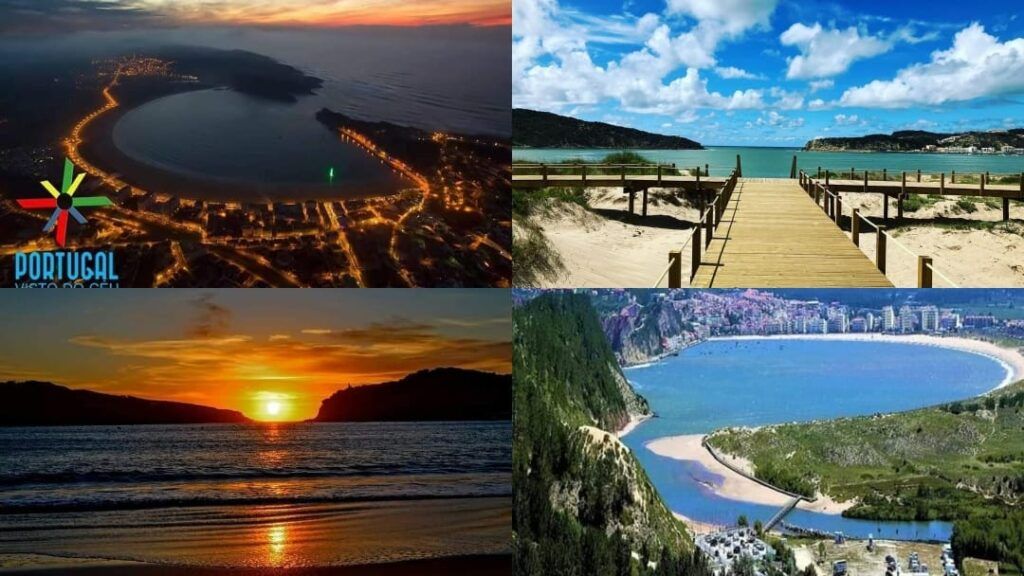
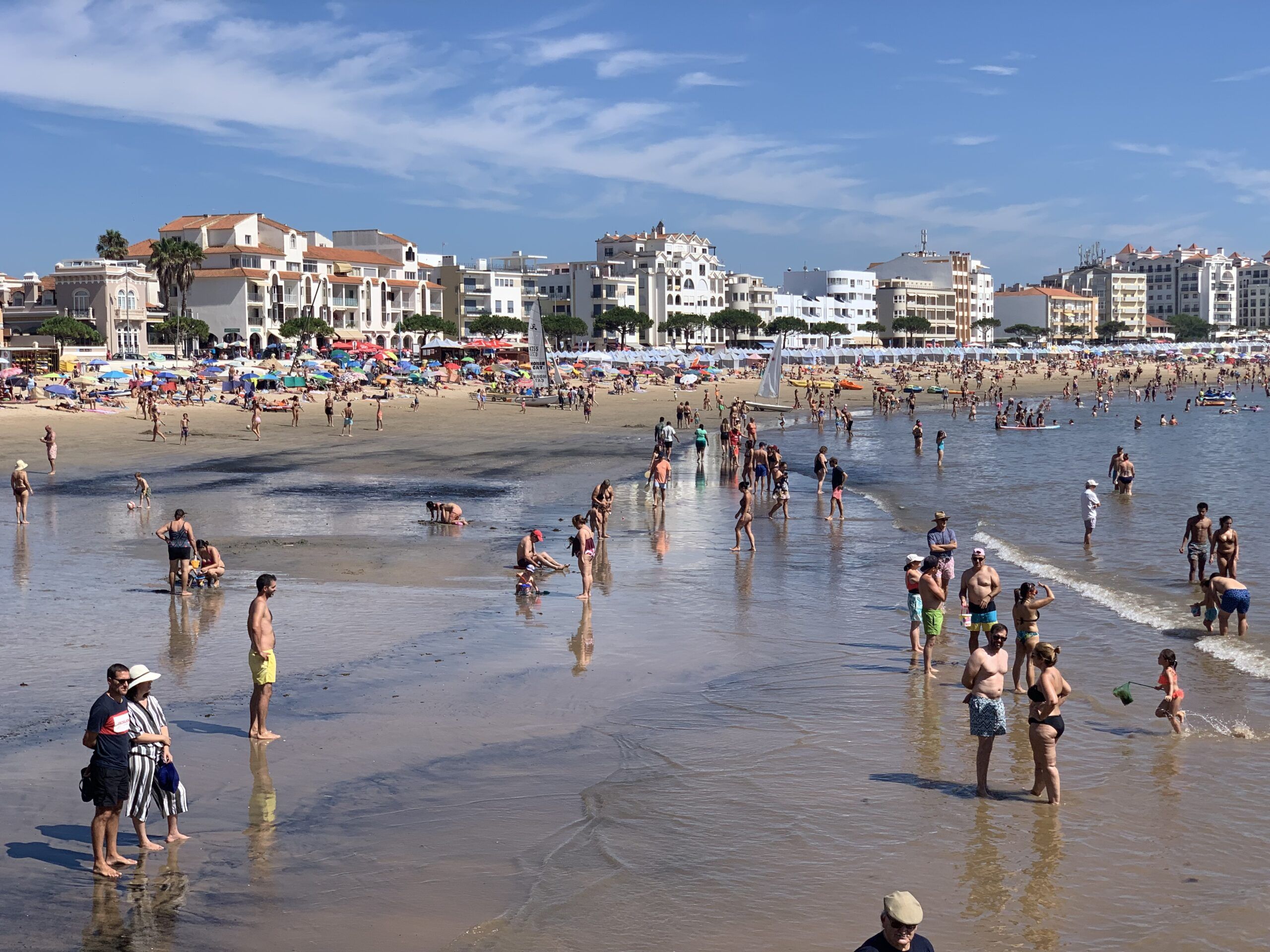
Some beaches are ideal for children and relaxed swimming. São Martinho do Porto, for example, is known for its sheltered bay. Other beaches are better suited to surfing, long walks or watching the Atlantic rather than casual bathing.
On the west coast, even beautiful beaches can have strong currents and large waves. The flag system should always be respected: green means bathing is allowed, yellow means caution, and red means entering the water is forbidden.
The Blue Flag is a helpful sign of quality, but it should always be combined with local knowledge and common sense.
Good beaches also matter for property owners
For foreign buyers and homeowners, beach quality can also affect property appeal.
A home near a clean, safe and well-managed beach is naturally attractive for holidays, rental income and long-term living. Areas with recognised beaches often have stronger appeal among families, surfers, walkers and retirees looking for a healthier outdoor lifestyle.
At the same time, popular beach areas can become crowded in July and August. For many expats, one of the great advantages of the Silver Coast is that the best months are often outside the peak summer season. Spring, early summer and autumn can offer comfortable weather, beautiful light and more space.
A strong signal for Portugal
Portugal’s 2026 Blue Flag results are good news for the country’s reputation as a coastal destination. They confirm that beach quality, environmental monitoring and safety remain important priorities.
For expats and long-stay visitors, this matters in a very practical way. Choosing where to live, rent or buy in Portugal is not only about house prices and distance to the airport. It is also about the quality of daily life.
And for many people on the Silver Coast, that daily life begins with a walk by the sea.
A note for newcomers to the Silver Coast
If you are new to this part of Portugal, take time to explore different beaches before deciding which area suits you best.
São Martinho do Porto may suit families and those who prefer calmer water. Nazaré offers drama, tradition and world-famous waves. Foz do Arelho combines the Atlantic with the Óbidos Lagoon. Peniche and Baleal are strong choices for surfers and beach life. Smaller beaches along the Oeste coast may offer more peace, space and local character.
Portugal’s Blue Flag awards are a reminder that the country has an exceptional coastline. But the best beach is still the one that fits your lifestyle.
Share this:

Discover more from ::Mais:Oeste:TV::
Subscribe to get the latest posts sent to your email.