Caldas da Rainha shortlisted for “European Capital of Small Retail 2026”
Caldas da Rainha is in the final stretch of a European competition that puts local shops and lively town centres in the spotlight. The city has been selected as one of the three finalists for the European Capital of Small Retail 2026 award in the Medium Cities category—reserved for municipalities with 50,000 to 250,000 inhabitants.
A Europe-wide competition — and a place in the final three
This first edition of the European Capitals of Small Retail (ECoSR) competition attracted 28 applications from 13 countries, but only three cities reached the final in the Medium Cities category: Caldas da Rainha, Braga, and Fuenlabrada (Spain).
For Caldas da Rainha, reaching the final is more than a symbolic milestone. It signals that the city’s work to strengthen “commerce de proximidade” (neighbourhood retail) is being noticed at European level—alongside larger, better-funded urban centres with similar ambitions.
Decision day: Brussels, 28 January 2026
The winner will be announced on 28 January 2026, during the Awards Ceremony in Brussels. On the day, representatives of finalist cities will present their 2026 programmes to a European jury, which will evaluate both the results already achieved in supporting small retail and the quality, coherence, and feasibility of the activity programme proposed for 2026.
The award will name three winners in total—one per population category—and the winning cities will begin their “title year” in February 2026.
What is the “European Capital of Small Retail” award?
The initiative is designed to recognise cities that achieve notable outcomes in:
- supporting small retailers and local entrepreneurship,
- keeping city centres active and attractive,
- and helping small commerce adapt to the digital and green transitions.
In practice, the ECoSR framework rewards municipalities that treat retail not as a side-effect of urban life, but as critical infrastructure: a driver of social cohesion, local identity, walkability, and economic resilience.
Why Caldas da Rainha is a credible contender
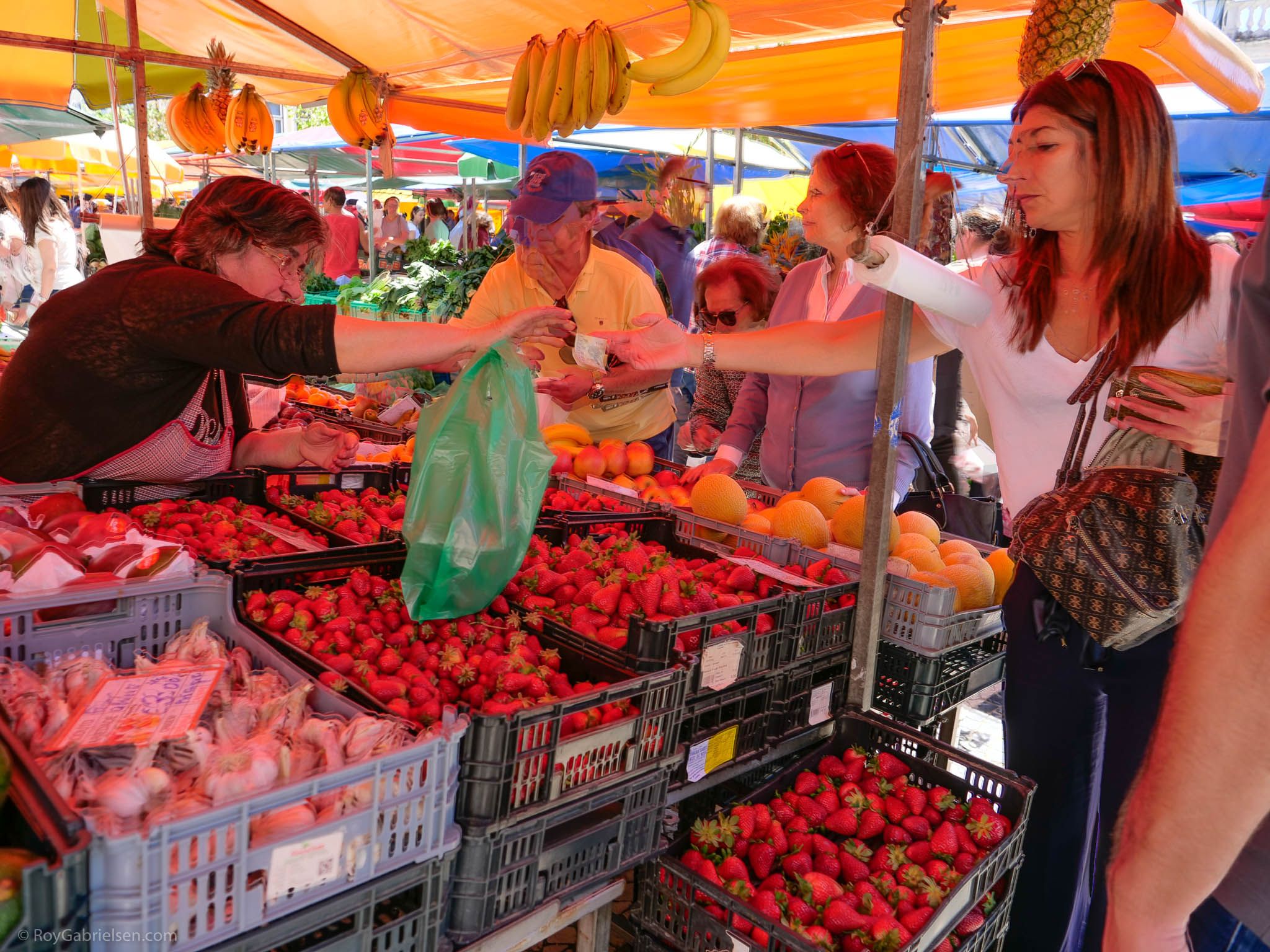
Caldas da Rainha has long been known for a “street-level economy” that feels tangible: independent shops, service businesses, cafés, and traditional commerce that still shape everyday life in the centre. That day-to-day commercial energy is one of the city’s differentiators—because it is visible, locally rooted, and closely linked to community routines.
According to information shared by the municipality and regional reporting, Caldas’ candidacy is built around a consistent strategy of:
- valuing local commerce,
- revitalising the urban centre, and
- building a more resilient and sustainable commercial ecosystem that stays close to residents’ needs.
This type of approach matters more than ever. Across Europe, small retailers face structural pressure—from e-commerce shifts and rising operating costs to changing consumer behaviour. Cities that succeed tend to do the basics exceptionally well: make the centre easy to use, attractive to visit, and commercially viable for independents—not just for chains.
The bigger story: small retail as urban policy
A key idea behind the ECoSR initiative is that small retail is not only an economic sector; it is an urban policy lever. When local shops thrive, streets are safer and more animated, foot traffic supports cafés and services, and the public realm becomes more socially connected.
That logic resonates strongly in Caldas da Rainha, where the commercial centre plays a central role in the city’s identity. If the jury awards Caldas the title, it will effectively be endorsing a model of medium-sized European city development in which proximity retail is treated as a strategic asset—not a nostalgic leftover.
What to watch next
All eyes now turn to 28 January. Whether Caldas da Rainha takes the title or not, being shortlisted already places the city on a European map of best practices for neighbourhood retail and city-centre revitalisation.
If Caldas wins, the next step will be delivering its 2026 programme as a “title year” starting in February—an opportunity to amplify local initiatives, attract partners, and showcase how a medium-sized Portuguese city can compete at European level by investing in the fundamentals: local business, public life, and a city centre that works.
Decision day is close—and Caldas da Rainha is still in the race until the very end.
Share this:

Discover more from ::Mais:Oeste:TV::
Subscribe to get the latest posts sent to your email.